Sponsored article
Assistive technology has revolutionized the way individuals with disabilities interact with the world, offering tools that make daily tasks more accessible. From communication to mobility, these technologies provide vital support, enhancing independence and quality of life. In this article, we explore the different types of assistive technology and their profound impact on improving access across various aspects of daily living.
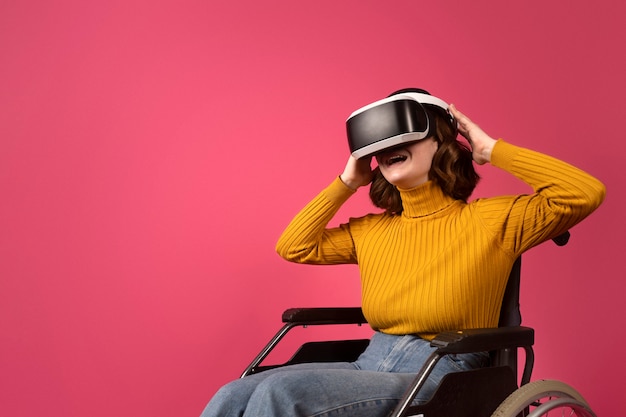
Assistive technology plays a crucial role in enhancing accessibility for individuals with disabilities, offering a range of disability tools that facilitate independent living. Screen readers and speech recognition software are prime examples of how assistive technology supports individuals with visual or dexterity impairments, respectively, transforming written text into audio and translating spoken words into text. Mobility aids, such as powered wheelchairs and adaptive vehicles, provide increased freedom and safety, enabling greater mobility and self-sufficiency. Furthermore, devices like smart home systems empower users by granting control over their environment through simple, accessible interfaces. By integrating assistive technology, the barriers to accessibility significantly decrease, contributing to more inclusive communities. These disability tools not only improve access to information and physical spaces but also foster independent living for persons with disabilities, ultimately empowering them to lead more autonomous and fulfilling lives.
Enhancing communication through technology has dramatically transformed the lives of individuals with speech or hearing impairments, making everyday interactions more accessible and meaningful. Assistive communication technology, including devices such as text-to-speech applications, hearing aids, and communication boards, serves as a bridge over the barriers that once hindered effective interaction. These innovative communication aids empower individuals by offering tailored solutions that cater to their unique needs. For example, text-to-speech applications convert written text into speech, enabling those with speech impairments to communicate effortlessly with others. Similarly, hearing aids amplify sound for individuals with hearing impairments, allowing them to engage more fully with their surroundings. Communication boards provide a customizable platform for users to express their thoughts and needs visually. By utilizing these advanced speech devices, people with communication challenges can enjoy a more inclusive daily life, improving personal relationships, education, and employment opportunities.
Assistive technology plays a transformative role in promoting independence for individuals with disabilities by integrating independent living aids that empower users to perform daily activities autonomously. Smart home devices, such as voice-activated assistants and automated lighting, offer seamless control over one’s environment, significantly reducing physical barriers within the home. These daily living technologies provide a sense of security and self-reliance, making disability independence more attainable. In the kitchen, adapted utensils and appliances, designed with accessibility in mind, allow individuals to engage in cooking and meal preparation with ease. Transportation aids, including GPS-based navigation systems and accessible ride-sharing options, enhance mobility, enabling users to travel independently and access community resources without reliance on others. Collectively, these innovations in daily living technology bolster an inclusive lifestyle, proving that when equipped with the right tools, individuals with disabilities can achieve a remarkable level of independence in their everyday lives.